


 Home » Applications »

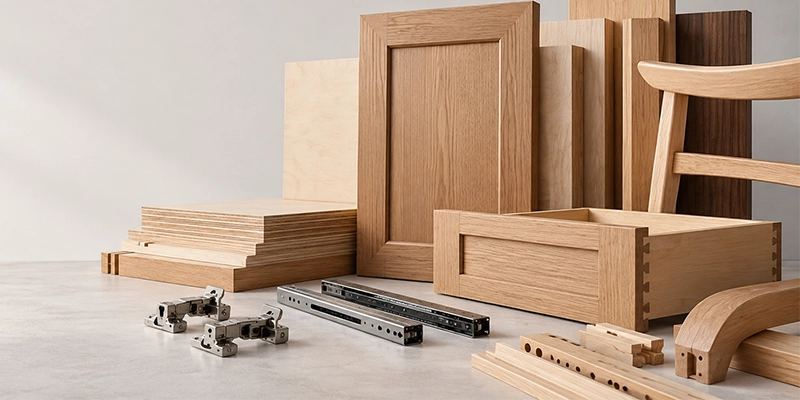
Drilling Tools for Furniture and Woodworking Production
From hinge holes to dowel drilling, we help you match the right carbide-tipped drill—or review a custom design when standard sizes do not fit.
 Discuss a Drilling Application
Start With the Component and Operation
Furniture drilling requirements depend on the panel material, hole type, machine setup and required hole quality. Reviewing the actual component and operation helps identify the drilling tools that match the application.
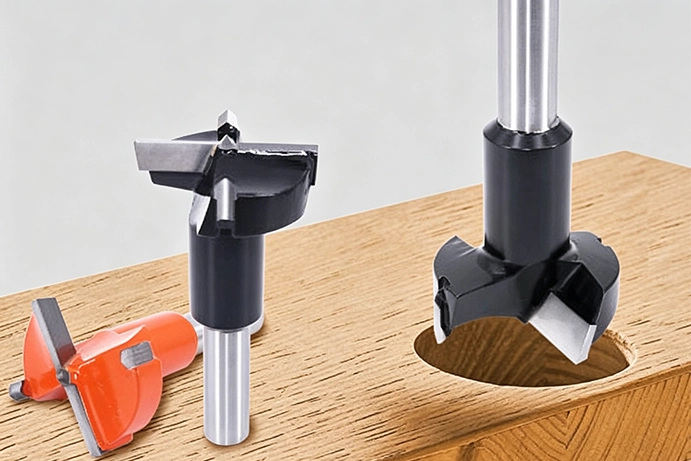
Cabinet Panels & Hinge Holes

Dowel & Connector Holes
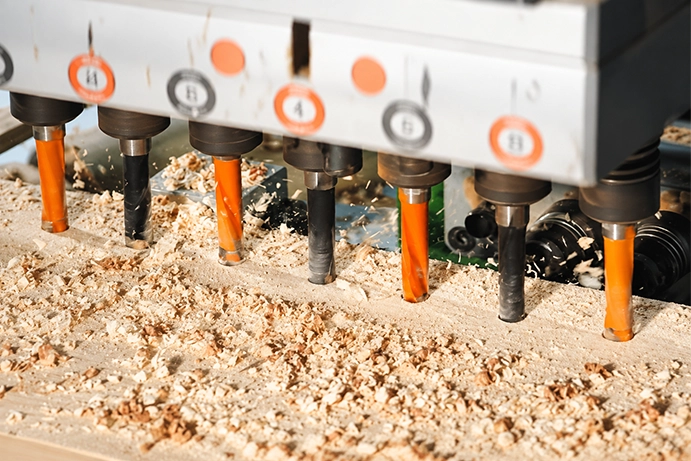
Solid-Wood Furniture Parts
What to Check First in Woodworking Drilling
Woodworking drilling performance depends on more than drill selection. Material structure, hole type, machine condition and chip evacuation all influence entry quality, breakout control and consistency.
Entry and Exit Chipping
Check the panel surface, scoring-edge sharpness, point geometry, tool runout and exit-side support. If chipping continues after the setup is corrected, review the point and scoring-edge design for the panel material and hole type.
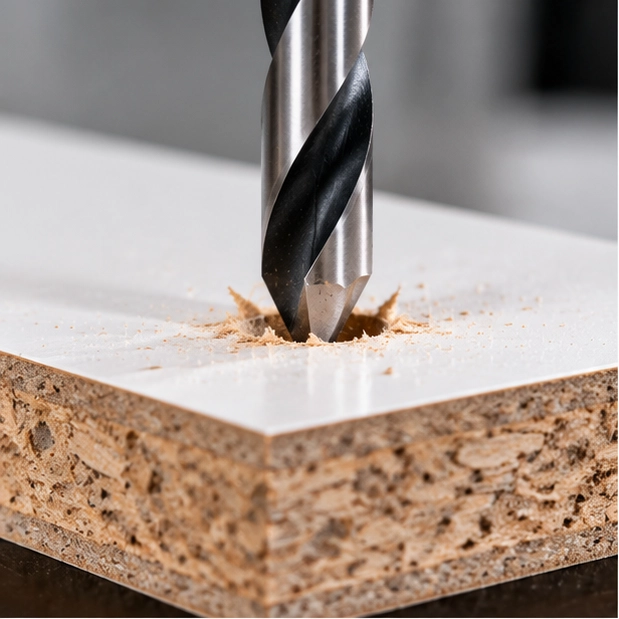
Burn Marks and Resin Build-Up
Check chip evacuation, material moisture, resin content and the speed-to-feed relationship. For materials prone to resin adhesion, a smoother flute surface or low-adhesion coating may help reduce build-up.
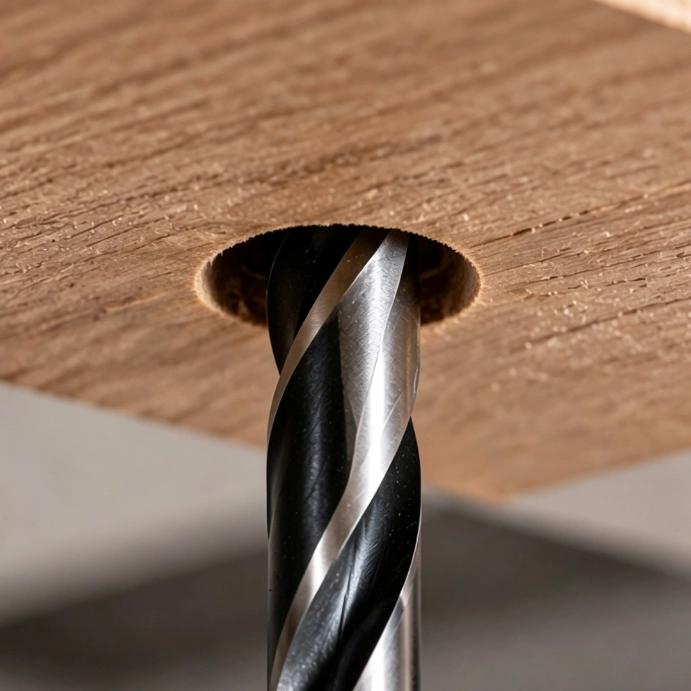
Oval or Oversized Holes
Check the center point, tool concentricity, shank clamping and panel movement. If the hole remains inaccurate, review the drill rigidity, working length and center-point design.
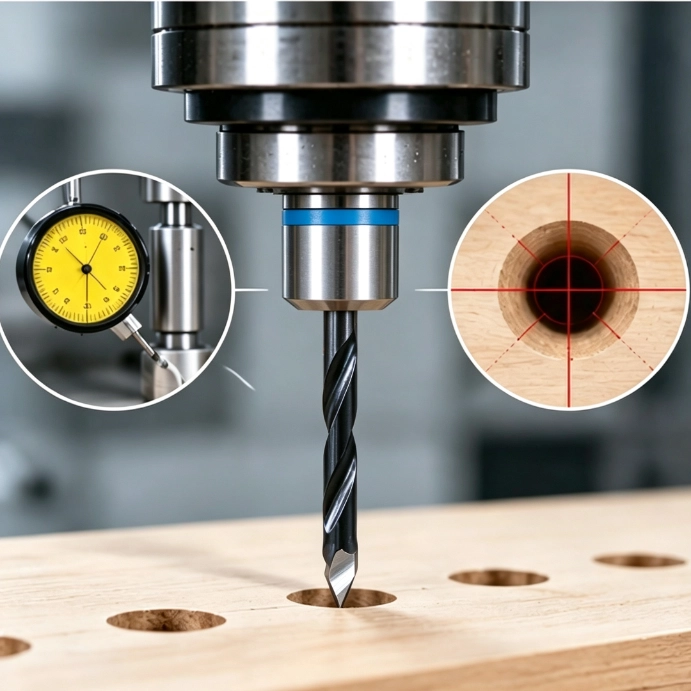
Drill Breakage or Short Life
Check edge wear, tool runout, clamping, panel movement and chip evacuation first. If tool life remains short, review the cutting material and edge design: abrasive panels may need a more wear-resistant carbide grade, while repeated chipping may require a tougher grade and stronger cutting edge.
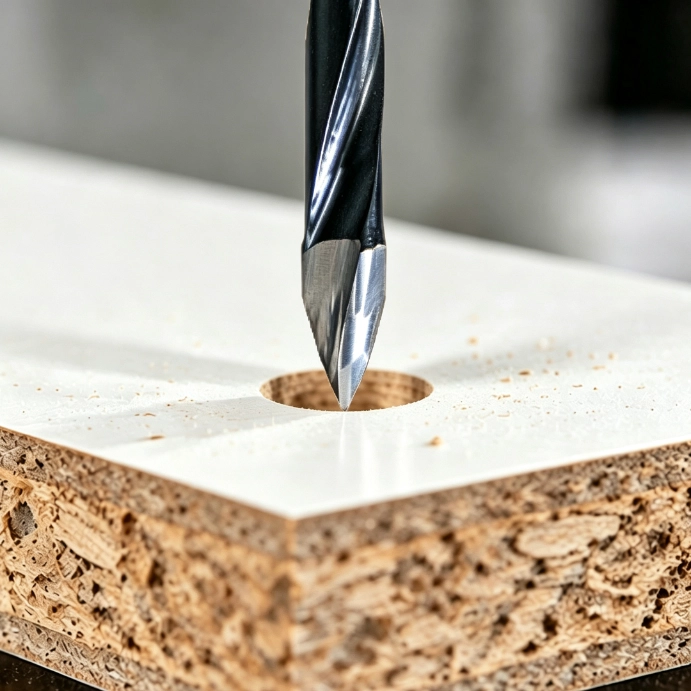
Materials and Tooling Considerations
Different mold materials create different requirements for hardness control, tool reach, finishing quality and chip behaviour. Tool selection should begin with understanding the material and machining condition rather than using universal cutting parameters.
| Material | Typical Parts | Common Operations | What to Confirm |
|---|---|---|---|
| MDF & Particleboard | Cabinet panels, shelves, carcasses | Hinge drilling, dowel drilling, line boring | Density, surface layer, hole depth, chip clearance |
| Laminated Panels | Melamine-faced and decorative panels | Blind and through drilling | Laminate brittleness, entry/exit finish, backing |
| Plywood | Furniture panels, frames, jigs | Drilling, boring, routing | Veneer direction, voids, breakout risk |
| Solid Wood | Doors, frames, furniture parts | Drilling, boring, routing | Species, moisture, grain direction, resin |
Application Note: Focus on the decision factors: Material structure, Hole requirement, Machine condition, Tool geometry, Final hole quality
Relevant Tool Families
Use these links to understand the available range. For a specific alternative, start with the current tool and application rather than choosing only by appearance.
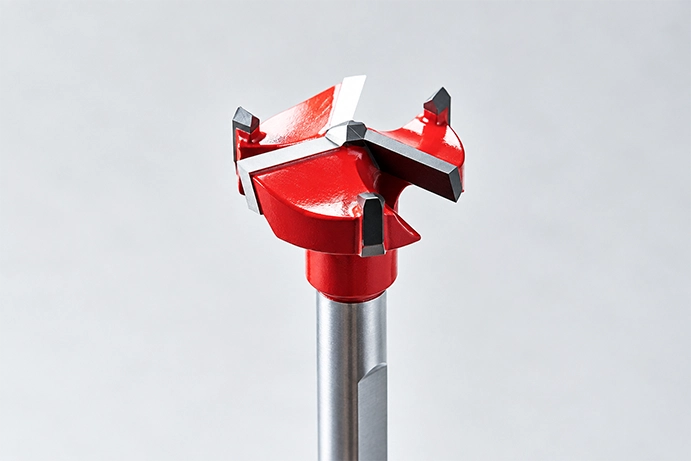
Hinge Boring Bits
Carbide-tipped tools for:
· Hinge-cup drilling · Blind-hole applications
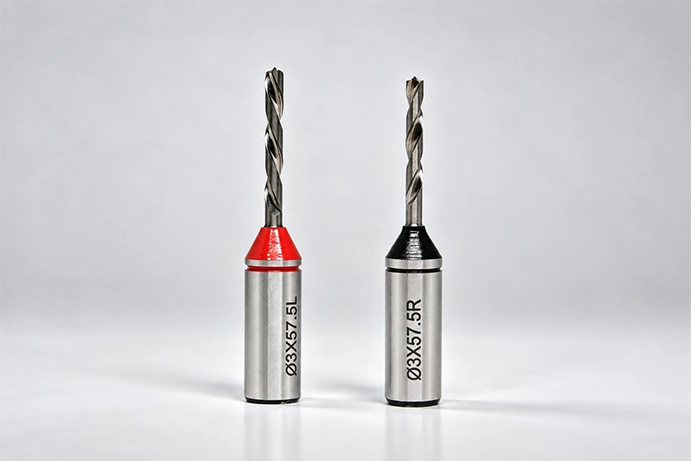
Solid Carbide Drill Bits
Clean-entry drilling tools for:
· Solid wood · Panel applications
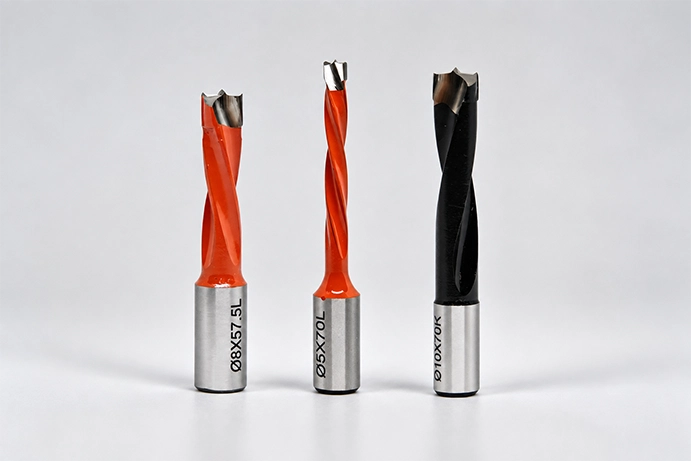
Dowel Drills
Options for:
· CNC boring · Dowel-hole production · Right-hand and left-hand rotation
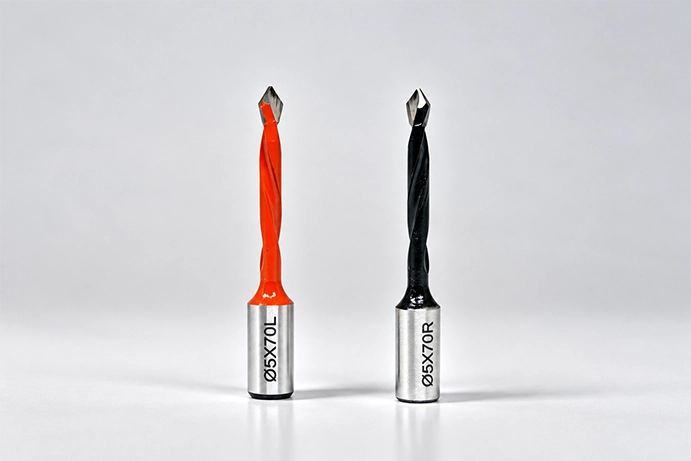
Through-Hole Drills
Point geometries designed for:
· Entry quality · Exit quality
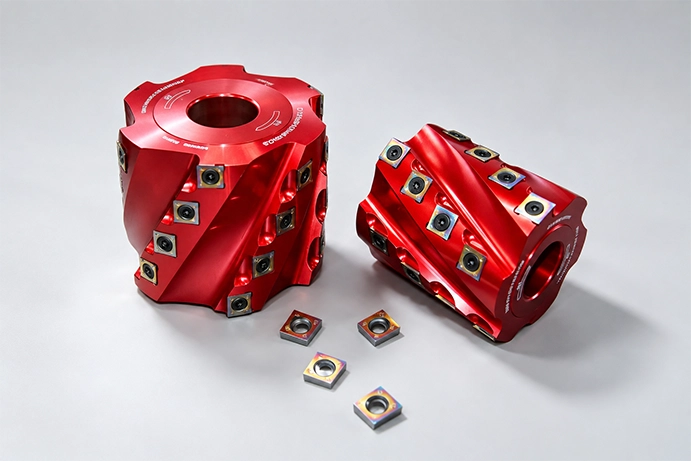
Reversibale Knives
Supporting tools for:
· Grooves · Profiles · Trimming operations
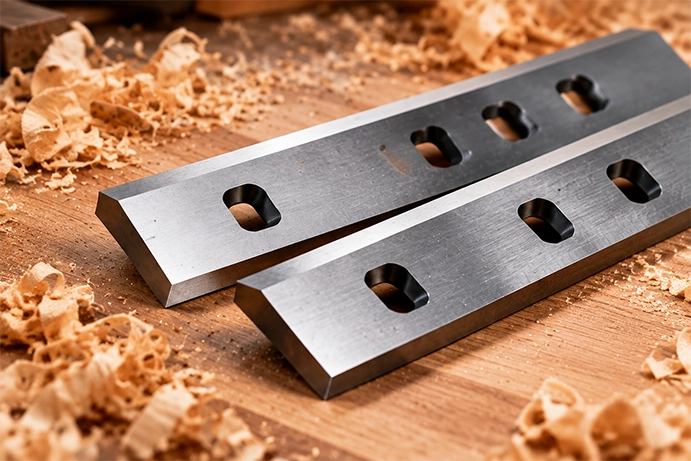
Carbide Planer Blades
Supporting wear tools for:
· selected woodworking applications
Your Attractive Heading
REAL CUSTOMER FEEDBACK
From Evaluation to the First 300 Pieces
Performance Confirmed · 300 pcs Sent to One Customer · Another Order Expected

How We Match a Woodworking Drill
We review the hole, panel and current tool before deciding whether a standard drill or custom design is worth testing.

Step 01 Review the Hole and Panel
-
Start by reviewing the hole type, diameter, depth, panel material, machine condition and current drill. These details help define the actual drilling requirement before comparing alternative tools.

Step 02 Match the Drill Construction
-
Based on the application, narrow down the drill construction, including point geometry, rotation direction, shank design and carbide option that are suitable for testing.
Step 03 Verify the Hole Quality
-
Check entry and exit quality, hole diameter, concentricity, burning and edge condition across more than one panel. Record the approved dimensions and drill construction for future orders.
FAQs
-
What information is needed to identify a woodworking drill?

-
Share the drill photo or code, diameter, total length, working length, shank, rotation direction, machine and hole type. Panel material and whether the hole is blind or through are also important.
-
Which drills are used for hinge holes?
-
Carbide-tipped hinge boring bits are commonly used for flat-bottom hinge-cup holes. Diameter, shank, rotation, machine interface and panel material should still be confirmed.
-
How do I reduce chipping on laminated panels?
-
Review point geometry, tool sharpness, runout, feed, panel support and whether the defect occurs on entry or exit.
-
Do you supply right- and left-hand dowel drills?
-
Yes, depending on size and configuration. Rotation direction should be confirmed before ordering.
-
Can we test a small quantity first?
-
Yes, subject to availability. Record panel type, hole count and entry/exit quality so results can be compared fairly.
Have a Woodworking Tool to Match or Customize?
Send us the current drill, drawing or specificataion with the panel material, We will confirm whether a standard or custom option is more suitable.


