


 Home » Applications »
Cutting Tools for Mold, Die and Hardened Component Machining
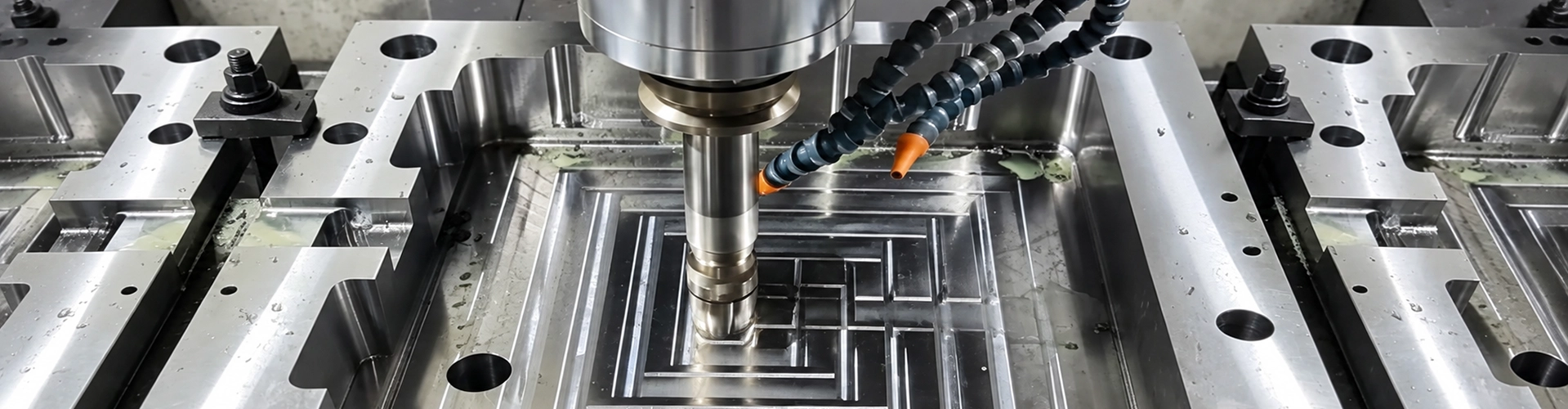
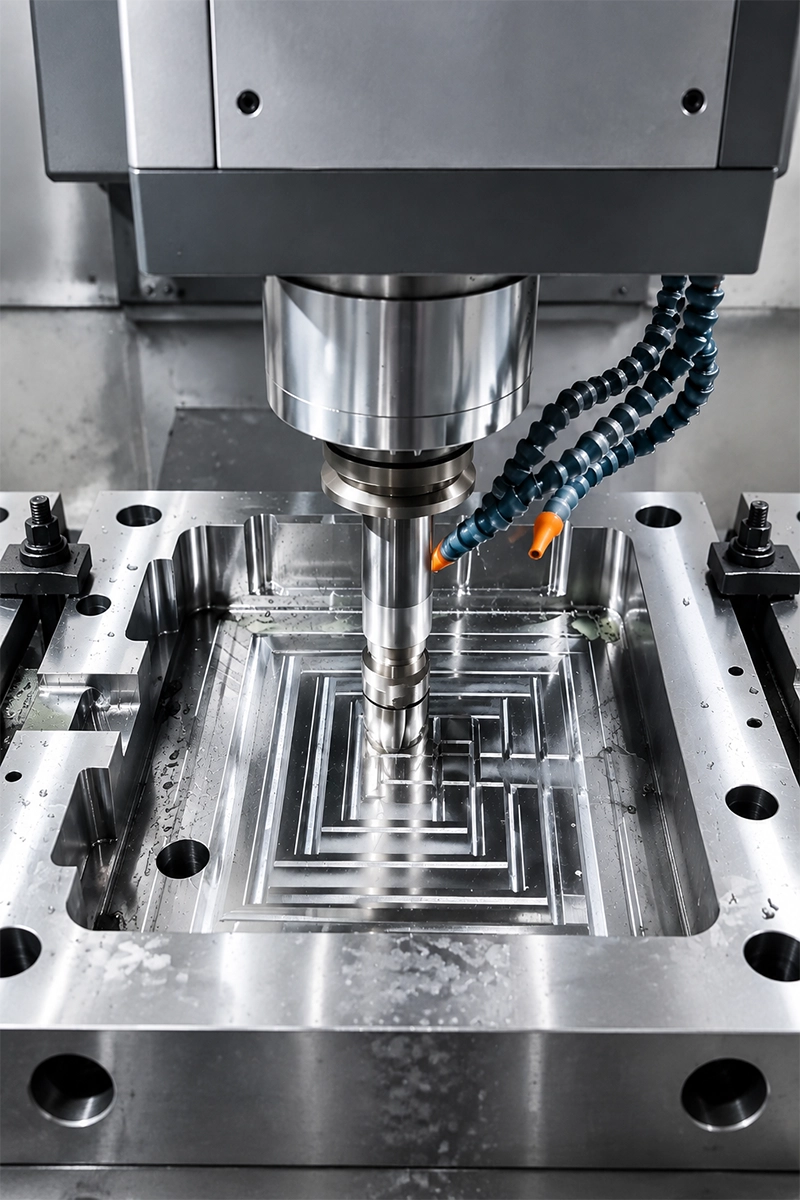
Help customers review tool options for mold cavities, dies, punches and hardened components by starting with the material condition, reach, setup and required finish.
 Discuss a Mold & Die Application
Start With the Component and Operation
Mold and die machining requirements vary depending on the material condition, component structure and required machining process. Reviewing the actual component first helps identify tooling options that match the application.
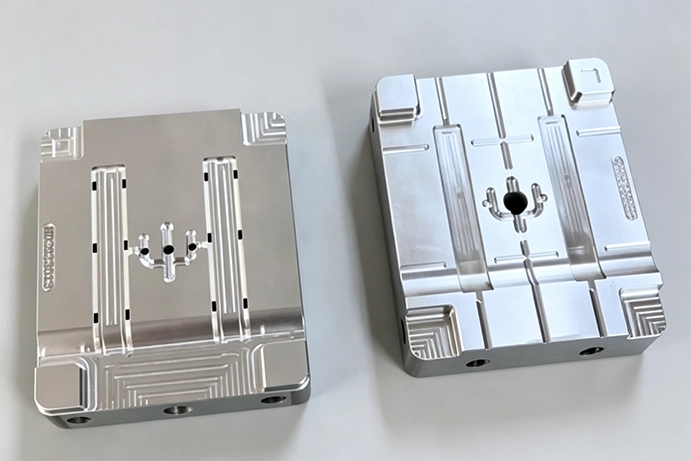
Mold Cavities & Cores
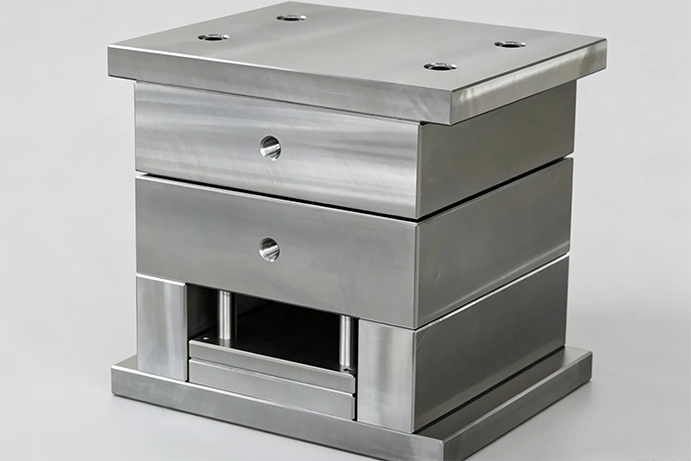
Mold Bases & Plate
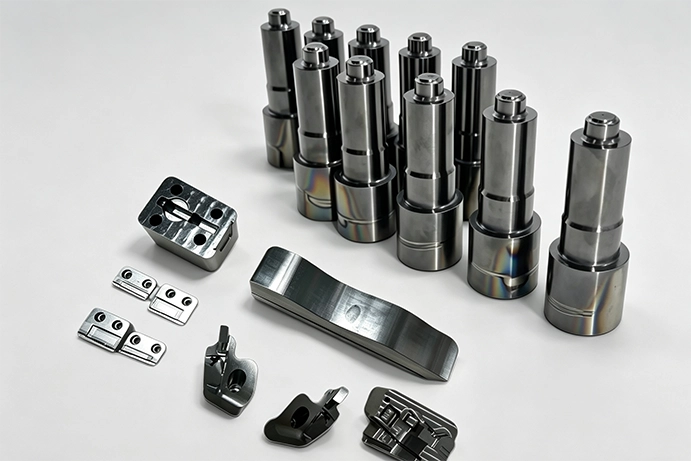
Dies, Punches & Inserts
What to Check First in Mold & Die Machining
Mold machining involves different challenges depending on hardness, tool reach, finishing requirements and machining stability. The right evaluation should start with the actual machining condition.
Hardness Variation
Check First:
Steel grade, Heat-treatment condition, Actual hardness
Why It Matters:
Changes in material hardness can influence tool wear, cutting stability and finishing performance.
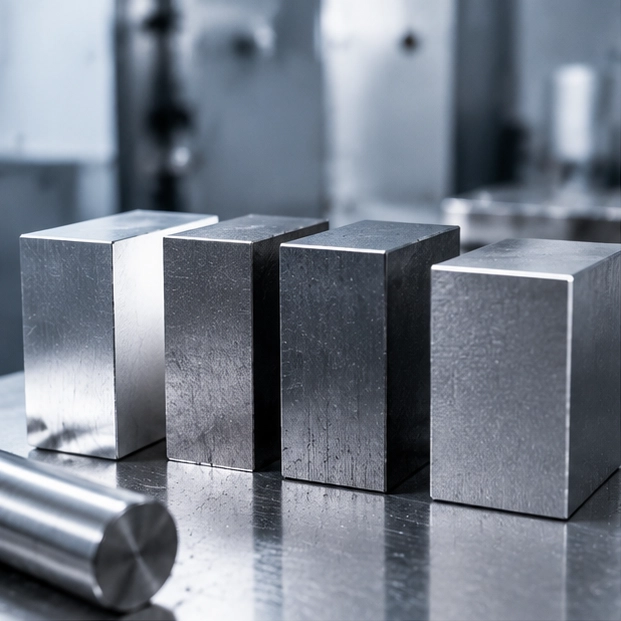
Deep Cavities & Long Reach
Check First:
Tool overhang,
Holder clearance,
Runout,
Machine rigidity
Why It Matters:
Long reach applications require careful control of vibration and cutting stability.
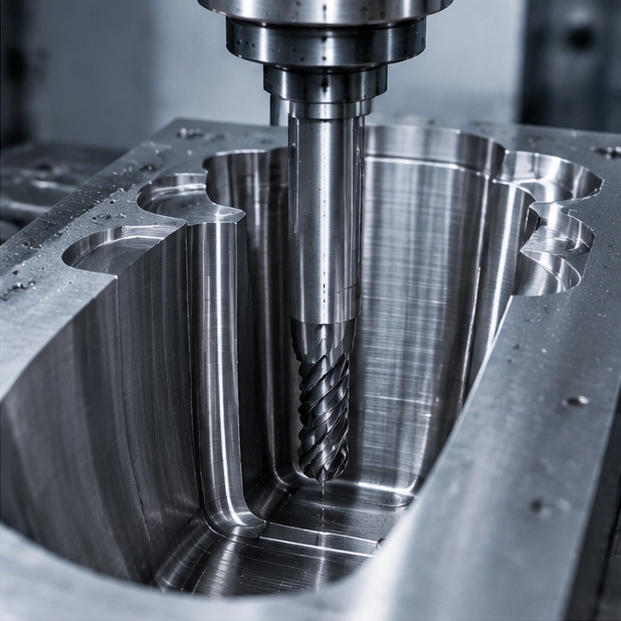
Surface & Form Accuracy
Check First:
Roughing productivity,
Finishing requirements,
Profile accuracy
Why It Matters:
Material removal and final surface quality often require different tooling priorities.
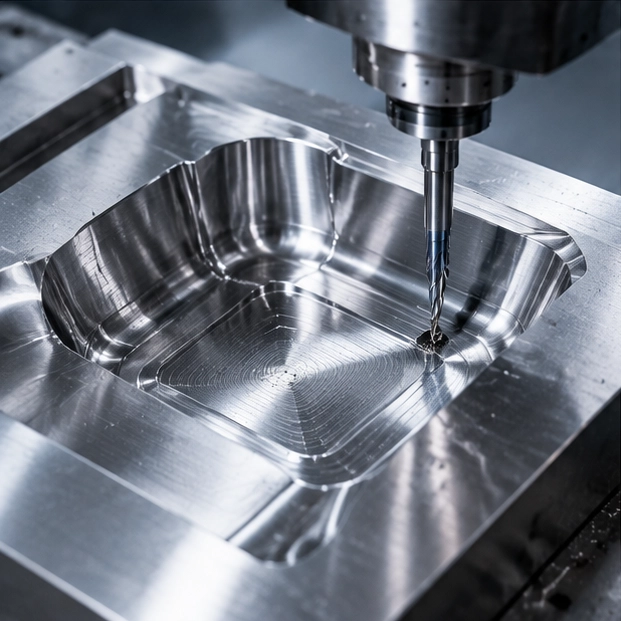
Edge Chipping
Check First:
Interrupted contact,
Entry strategy,
Vibration,
Remaining stock
Why It Matters:
Unstable cutting conditions can reduce edge reliability and affect machining consistency.
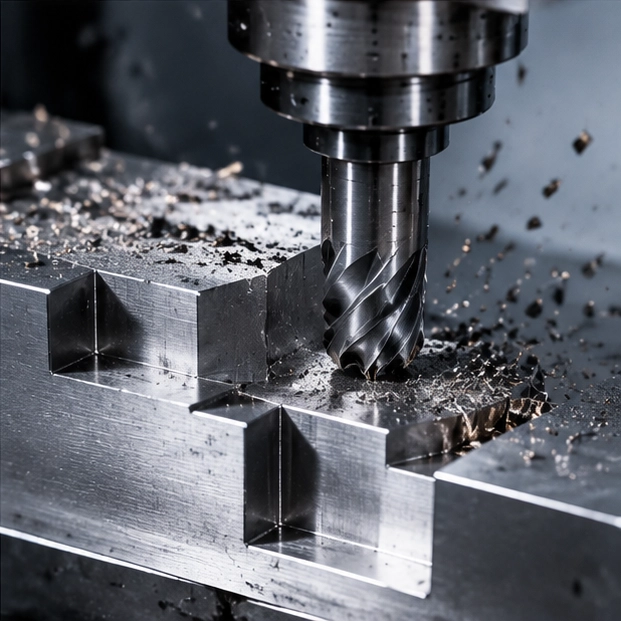
Materials and Tooling Considerations
Different mold materials create different requirements for hardness control, tool reach, finishing quality and chip behaviour. Tool selection should begin with understanding the material and machining condition rather than using universal cutting parameters.
| Material | Typical Parts | Common Operations | What to Confirm |
|---|---|---|---|
| Pre-Hardened Mold Steel | Mold bases, cavities, plates | Milling, drilling, boring | Hardness, scale, stock allowance, rigidity |
| Hardened Tool Steel | Dies, punches, inserts | Hard milling, finishing, profiling | Hardness range, reach, runout, finish target |
| Hot-Work Tool Steel | Die-casting molds, cores | Milling, drilling, semi-finishing | Heat-treatment state, interruptions, coolant strategy |
| Cast Iron & Aluminum | Mold bases, prototype molds | Face milling, pocketing, drilling | Material grade, inclusions, built-up edge, chip evacuation |
Application Note: Focus on the decision factors: Material condition, Hardness, Tool reach, Setup rigidity, Required finish
Relevant Tool Families
Use these links to understand the available range. For a specific alternative, start with the current tool and application rather than choosing only by appearance.
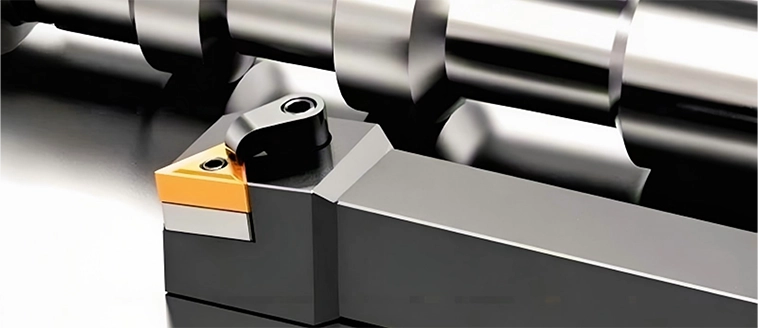
Turning & Boring Inserts
Options for external turning, internal turning and boring across common engineering materials.
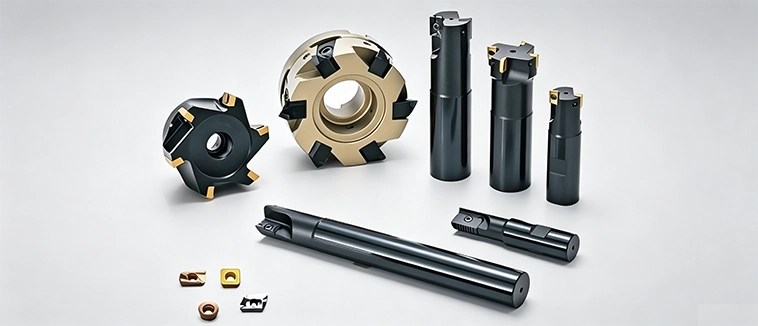
Milling Inserts & Cutters
Indexable milling options for faces, shoulders, slots and general component work.
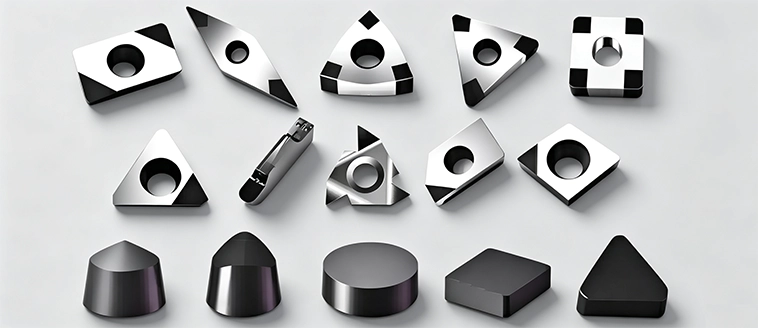
PCBN & Specialty Tools
Insert and holder combinations for grooves, parting and profile features.
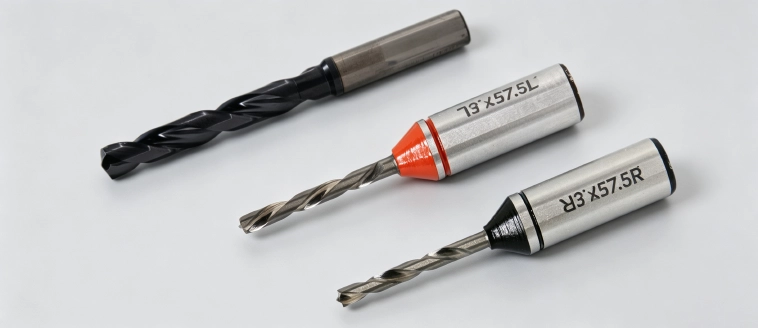
Solid Carbide Drills
Drilling options organised by diameter, depth, material and hole requirement.
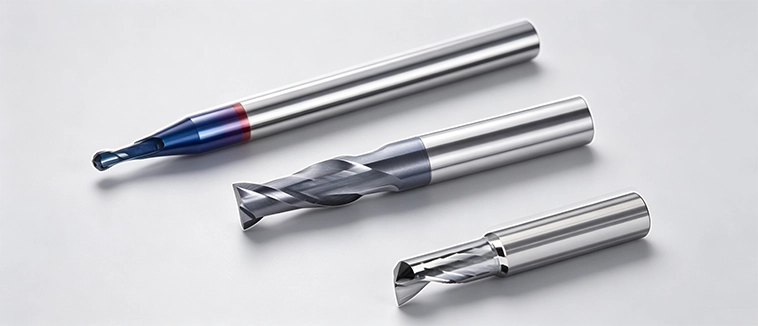
Solid Carbide End Mills
General milling tools for slots, profiles, pockets and finishing operations.
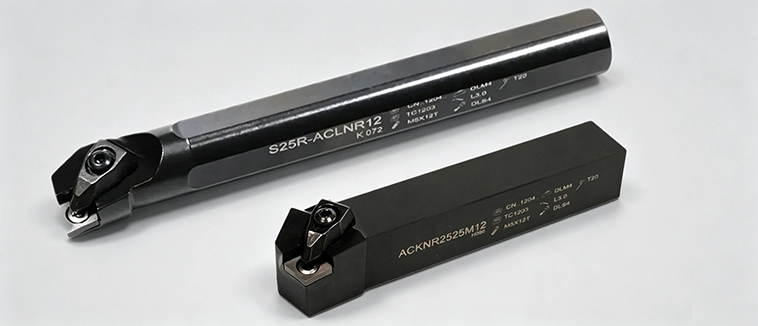
Toolholders & Boring Bars
Supporting holders, bars and cutters to complete the tooling setup.
Your Attractive Heading
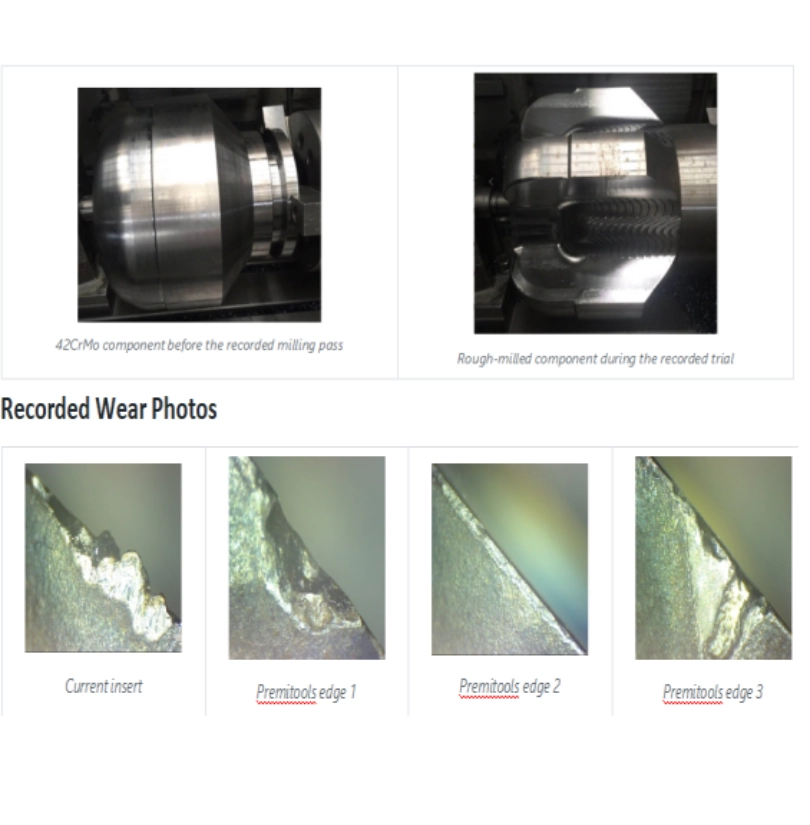
RPMT Milling Inserts Test in 42CrMo Rough Milling
4145 / 42CrMo · Steel-Body Drill Head · Rough Down-Milling
🔸Competitor: RPMT10T3MOE432X5 / X7** — 2.0 hour per edge
🔸 Tested: RPMT10T3MOE-MV / TP1815 —2 hour peredge
Vc 176 m/min · fz 0.47 mm/z · ap 0.5 mm · Air blast
The lifetime and performance are the same as the competitor. Welcome to contact us for full report
How We Help Evaluate Another Option

Review the Material and Feature
-
Start by reviewing the key application details, including the material grade, hardness, feature type, tool reach, machine condition and current tool. These factors help define the actual machining requirements and provide the basis for evaluating alternative tooling options.

Separate Roughing From Finishing
-
Different machining stages require different tooling priorities. The evaluation focuses on stock removal requirements, machining stability and surface finish expectations to identify the tooling options that are more suitable for the specific application.
Record the Trial Result
-
After testing the selected tooling option, the results are compared through tool wear, dimensional performance, surface condition and repeatability. Recording these results provides a clearer reference for deciding the next tooling direction.
FAQs
-
What information is needed for a mold machining recommendation?

-
Share the mold-steel grade, hardness, feature, operation, reach, current tool and finish target. A drawing or cavity photo can help evaluate clearance and overhang limitations.
-
Can the same cutter be used for roughing and finishing?
-
Sometimes one tool family can support both operations, but roughing and finishing usually require different priorities. Roughing focuses on stable stock removal, while finishing focuses on form accuracy and surface condition.
-
Do you support tools for hardened mold steel?
-
Yes. Carbide and PCBN options can be reviewed after confirming hardness range, reach, rigidity, toolpath and finish requirements.
-
Can we start with a small trial quantity?
-
Yes. A controlled trial allows comparison with the current tool under the same recorded conditions.
-
Can you review the holder and overhang as well?
-
Yes. Holder interface, runout, extension length and clearance are important factors, especially for deep cavity machining.
Have a Current Application to Evaluate?
Send the current tool code and brief application details. We will review the material, operation and what needs to improve before suggesting a practical next step.


